


The Diamond Circle can be described as a magnificent circuit of 250km in North Iceland, which includes some of the most stunning sights and spots for unearthly landscapes.
The Diamond Circle has 5 key destinations which include the historical and picturesque Goðafoss, the unearthly blue and green landscapes of Lake Mývatn nature paradise, the uncontrollable white energy of Dettifoss the most powerful waterfall of Europe, the crescent-shaped wonder of Ásbyrgi canyon and Húsavík the buzzing whale capital of Iceland with the deep blue seas ahead.
The Diamond Circle offers even more. Discover the astonishing valley of Vesturdalur with the bizarre rock formations of Hljóðaklettar; the otherworldly volcanic fields of Krafla, the geothermal area of Hverir and the black lava formation at Dimmuborgir.
On the Diamond Circle, you could even find some of the hidden corners and forgotten spaces which are just as surprising as the most famous ones: The beautiful Tjörnes peninsula which hides fossils and bird nests, the lush valley of Hólmatungur and the lesser-known locations around Mývatn such as the circular explosion crater Hverfjall and the turquoise warm pool in Grjótagjá.
The Diamond Circle truly is not only a circuit of 250km. It is the chance for an epic and unforgettable adventure that is waiting for you.
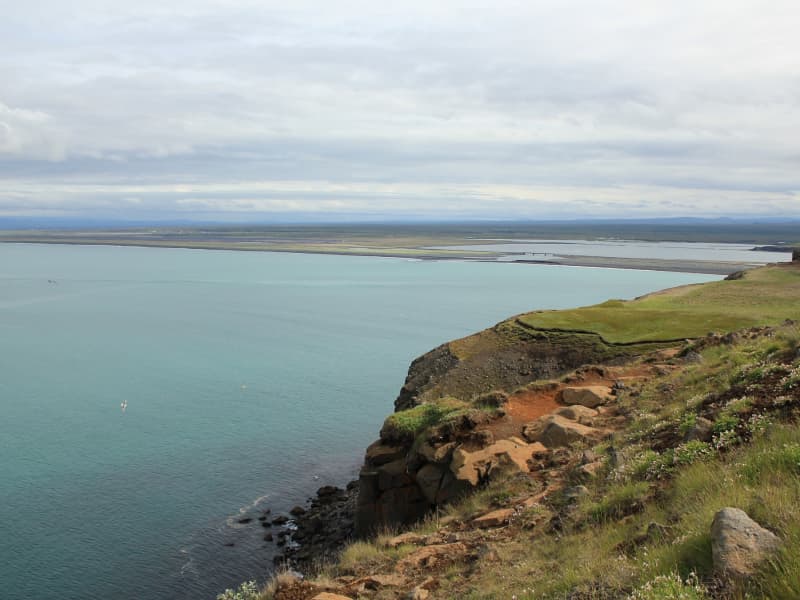
Hringsbjarg Cliff
From Hringsbjarg cliff you have a breath-taking view over the mountain range in Öxarfjörður fjord and the black sand beach close by.
This place is the perfect place to stop and stretch your legs, breathe in the fresh sea air and enjoy the view and tranquillity.
At Hringsbjarg cliff is an observation deck as well as tables and information signs.
Great birdlife.
View
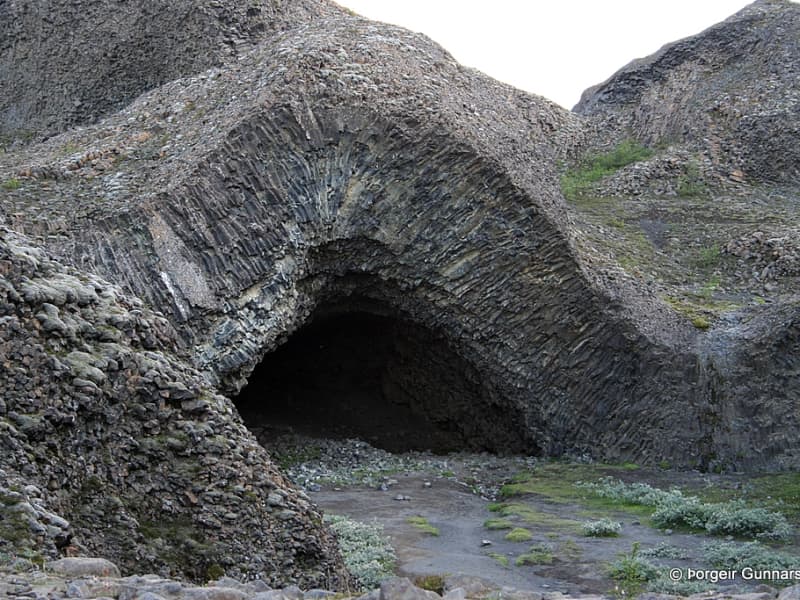
Hljóðaklettar
Hljóðaklettar in the canyon Jökulsárgljúfur is a distinctive cluster of columnar rock formations standing at the entrance to Vesturdalur, down by the Jökulsá á Fjöllum River. The columns lie at all angles and it’s an entertaining exercise for one's imagination to interpret their patterns.
The road to Hljóðaklettar (862) is closed over the winter months.
View
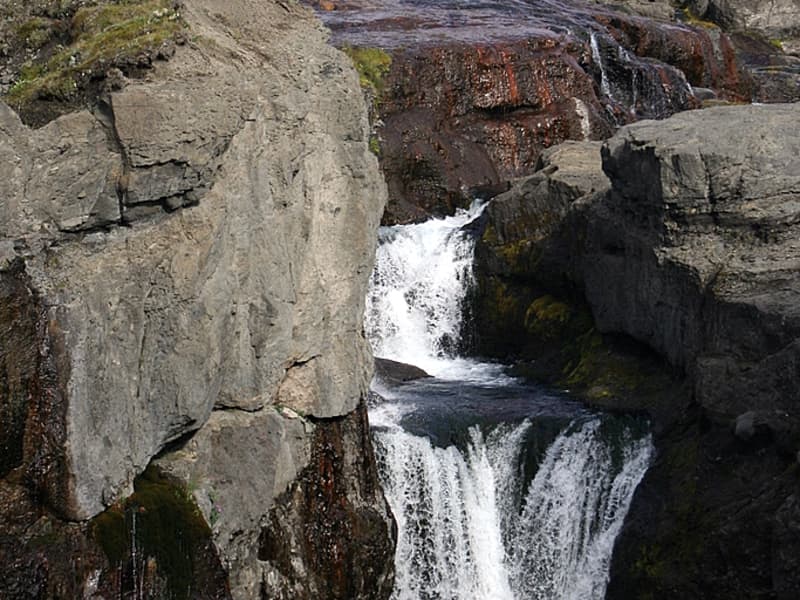
Hólmatungur
Hólmatungur is an expanse of rich vegetation in the Jökulsárgljúfur area, and there are many beautiful columnar rock formations to be found there.
The footpath between Hljóðaklettar and Hólmatungur, alongside Jökulsá á Fjöllum, is among the most beautiful in Iceland. The waters of countless streams bubble up in Hólmatungur, which then tumble over ledges into Jökla. Here you will also find Gloppuhellir cave in Gloppa, which is a very special natural creation.
View
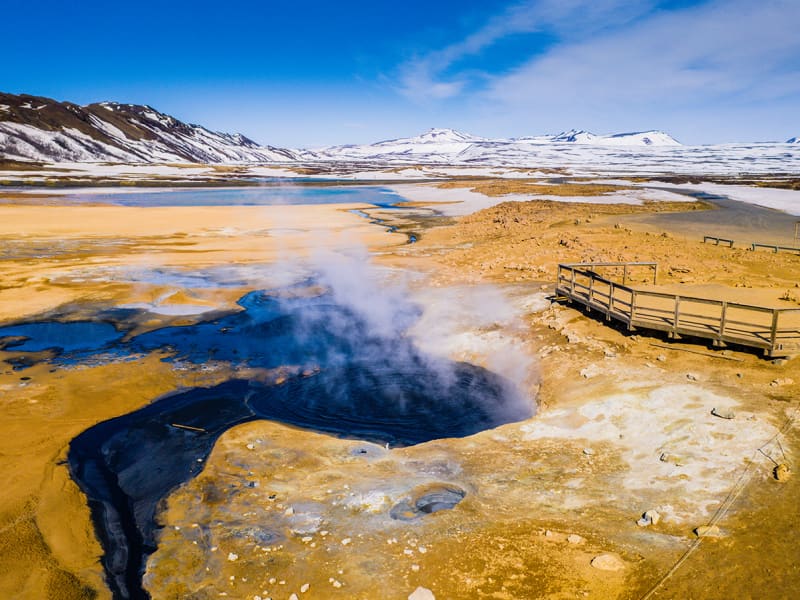
Námafjall
Námaskarð, also known as Hverir, is one of Iceland’s most remarkable geothermal areas, located just east of Lake Mývatn at the foot of Námafjall mountain. The landscape is alive with steaming fumaroles, bubbling mud pools and vibrant mineral deposits, creating a scene unlike anywhere else in the country.
Situated within the highly active volcanic zone surrounding Krafla, Námaskarð offers a fascinating glimpse into the powerful forces at work beneath the Earth’s surface. Bright shades of red, orange and yellow contrast with the dark volcanic terrain, giving the area its distinctive and otherworldly appearance.
A network of marked paths allows visitors to explore this unique geothermal landscape and experience the sights, sounds and scents of one of North Iceland’s most extraordinary natural attractions.
For safety reasons and to protect the fragile landscape, visitors must remain on designated paths at all times.
View
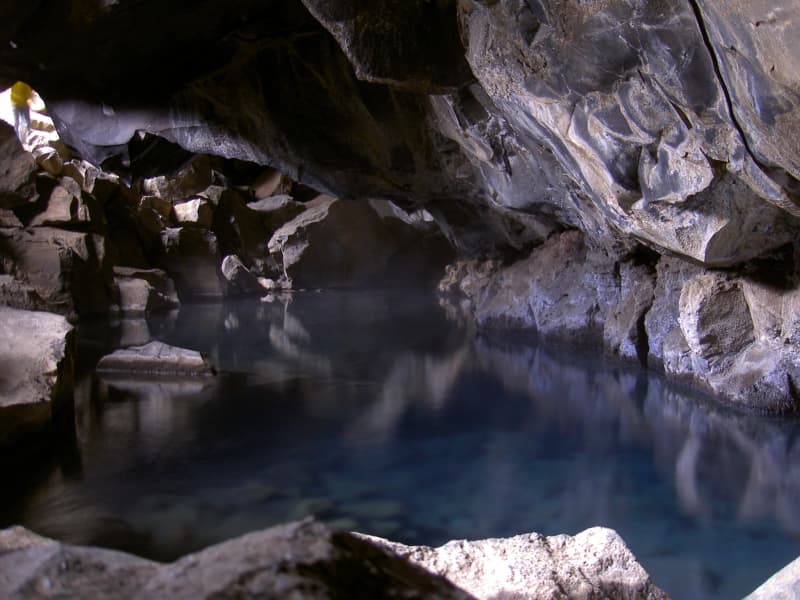
Grjótagjá
Grjótagjá is a small cave in the Lake Mývatn area, and was a popular bathing place at one time. However, geological activity in the period 1975-1984, caused the temperature of the water to rise to such a degree that it has not been possible to bathe there since. But one can always dream ... a peep into the waters and a fertile imagination can conjure up visions of taking a dip in this cosy little cave, as was the custom in the past.
View
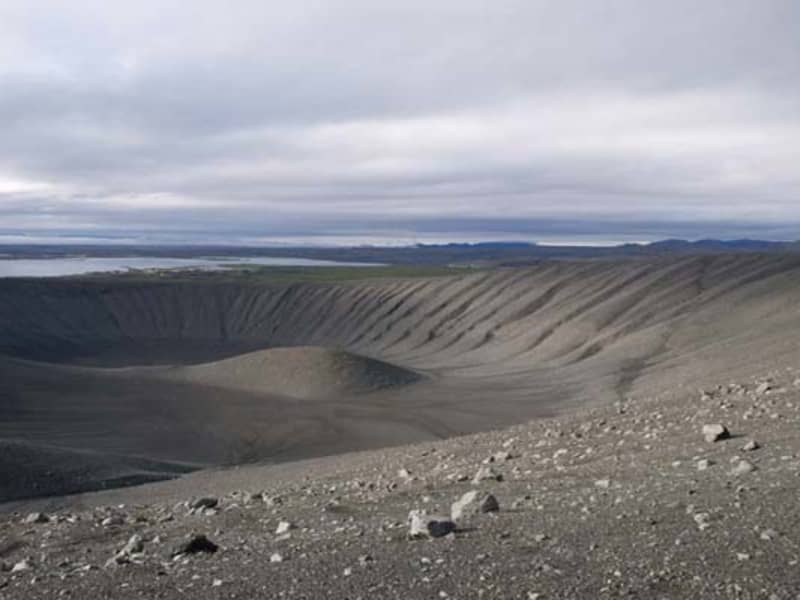
Hverfjall
Hverfjall is a large circular explosion crater in the Mývatn region, approximately 140 metres deep and 1,000 metres in diameter. Formed during a volcanic eruption around 2,800–2,900 years ago, it is one of the largest explosion craters of its kind in the world and a prominent landmark in the surrounding landscape.
A hiking trail leads to the crater rim, where visitors can enjoy panoramic views of Lake Mývatn, the surrounding lava fields and the diverse volcanic features that characterise the area. The crater’s striking symmetry and distinctive shape have made Hverfjall one of the best-known natural landmarks in North Iceland.
View
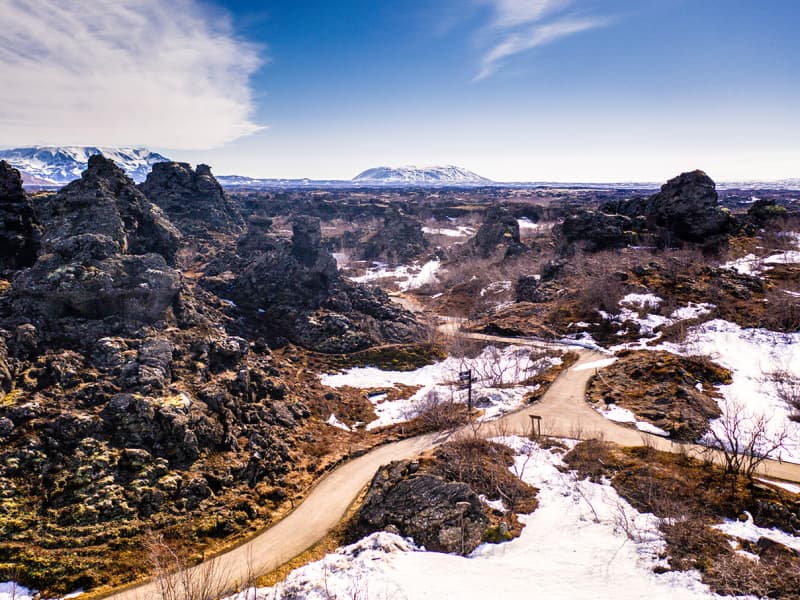
Dimmuborgir
Dimmuborgir, often referred to as the “Dark Castles” or “Dark Cities”, is one of the most distinctive lava formations in Iceland. Located in the Mývatn region, the area is characterised by dramatic lava pillars, caves, arches and unusual rock formations created by a volcanic eruption thousands of years ago.
A network of walking trails winds through this fascinating landscape, where visitors can explore natural lava structures of all shapes and sizes. Among the best-known formations is Kirkjan (“The Church”), a striking lava cave named for its high arching ceiling and cathedral-like appearance.
Dimmuborgir has long been associated with Icelandic folklore and is said to be the home of the Icelandic Yule Lads.
The area can be explored year-round, with each season offering a different perspective on its remarkable lava formations and unique landscape.
View
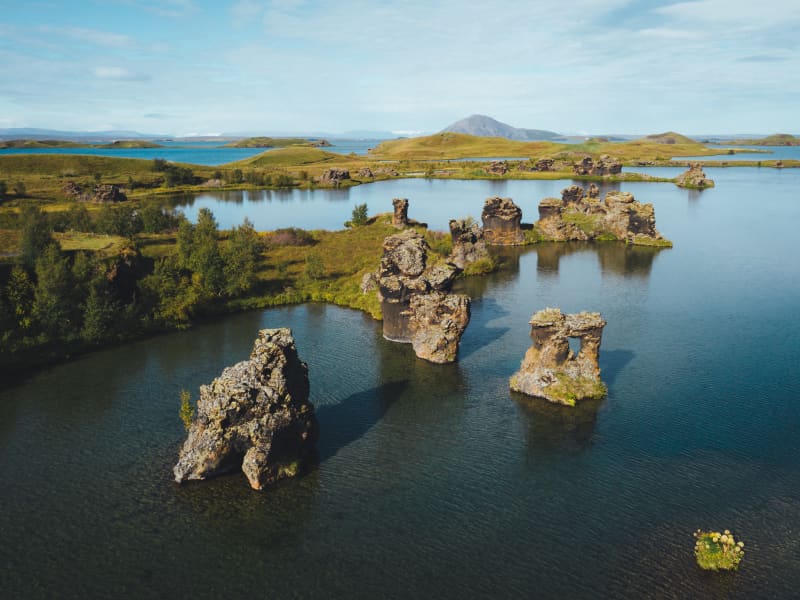
Höfði
Höfði is a rocky promontory which reaches into the waters of Lake Mývatn. The view from here is good, giving a vista of the lake's coves and inlets, besides being an excellent site for bird watching. Kálfastrandarvogur bay laps the shores of Höfði and is famous for its unusual lava formations both off and onshore and these rocky outcrops, named Klasar and Kálfastrandarstrípar, have done much to earn Kálfastrandarvogur and Höfði their reputation for being among the most beautiful areas around Mývatn.
View
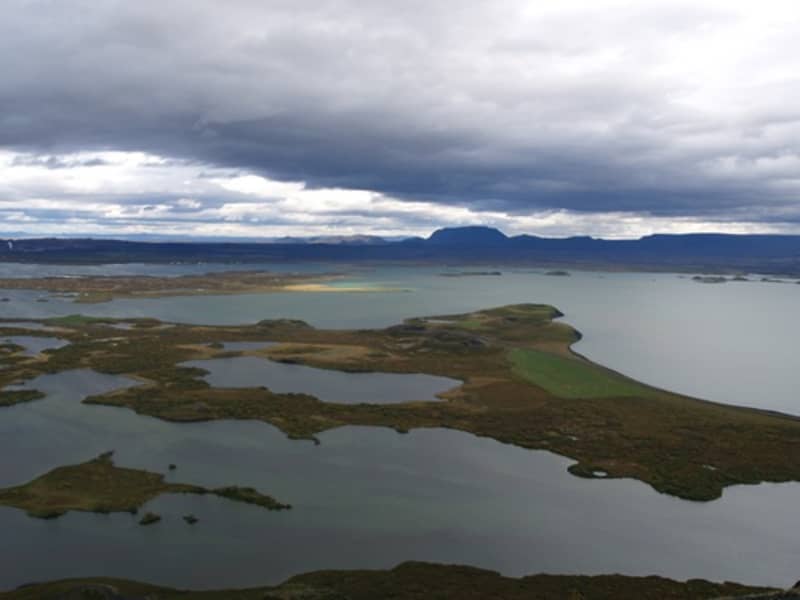
Skútustaðagígar
Skútustaðagígar pseudo craters were formed by gas explosions, when boiling lava flowed over the wetlands. The craters are a popular site for birdwatchers and are protected as a natural wetland conservation area.
View
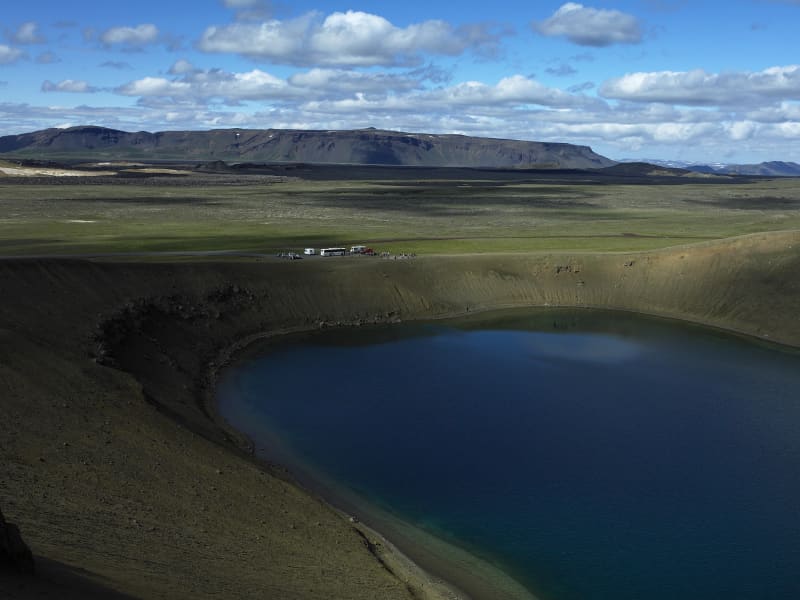
Víti
Víti is a huge explosion crater, about 300 metres in diameter. The crater was formed during a massive volcanic eruption at the start of the famous Mývatn Fires in 1724. The eruption continued more or less non-stop for 5 years and Víti's bubbling cauldron of mud boiled for more than a century after that. Víti is situated near Krafla and there is a tarmacked road leading up to it from highway 1.
View
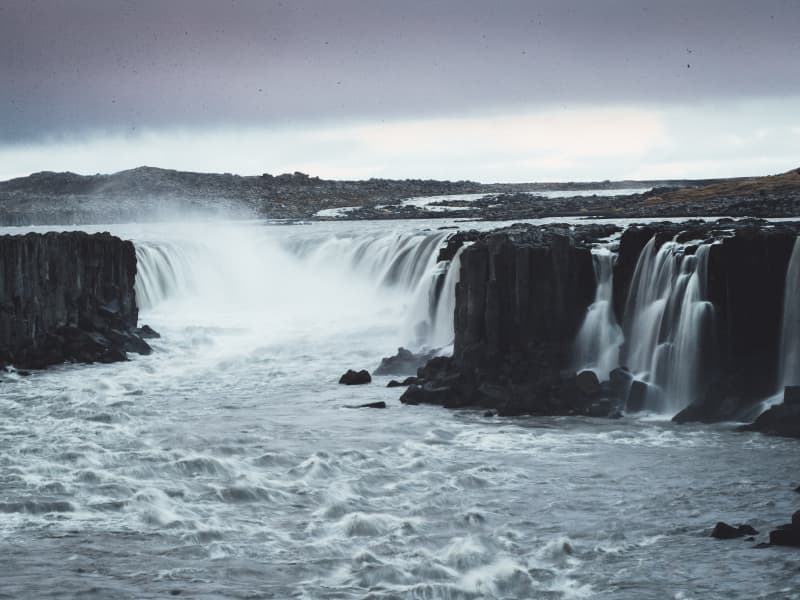
Selfoss waterfall
The waterfall Selfoss is in the river Jökulsá á Fjöllum and is only a few hundred meters south of Dettifoss waterfall. It is 10 meters high but very wide.
It is ideal to park in the car park by Dettifoss and take an easy walk to the two waterfalls. There are more beautiful natural phenomena in Jökulsárgljúfur canyon such as Hljóðaklettar and Hólmatungur.
View