Skip to content

Or try searching by Category and/or Location

North Iceland is the number one destination for winter activities, there are multiple attractions and tours available. Go skiing, off-piste or on groomed slopes and enjoy guided tours on Super jeeps, snowmobiles, snowshoes or dogsleds. Winter in North Iceland won't disappoint.

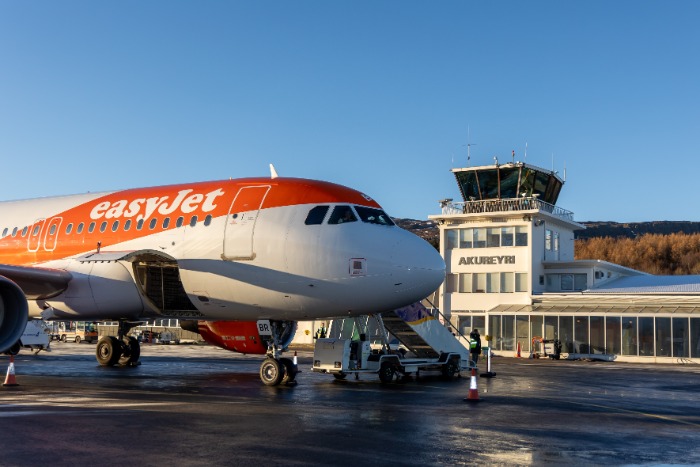
Now you can fly directly to Akureyri airport in North Iceland from London Gatwick and Manchester airport, with easyJet. Click here for more info.

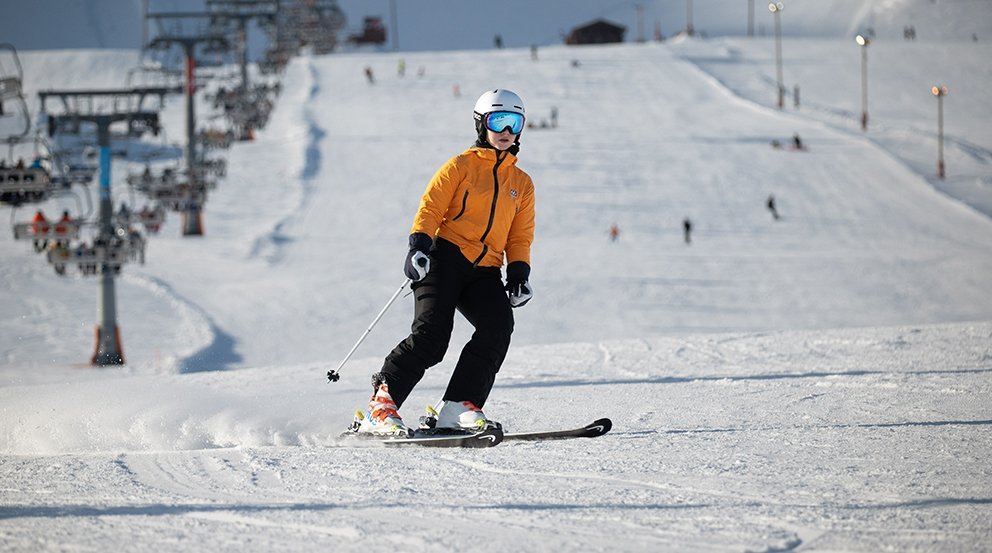
North Iceland offers ski experiences for people of all ages and disciplines. Those keen on the backcountry and heliskiing will find unique slopes with surroundings that are hard to find anywhere else. Skiing from a mountain top down to the shore in a remote fjord is a thrilling experience. Add the midnight sun to the mix during the spring season, and you’ll get an experience that leaves you with memories that won’t be so easily forgotten.

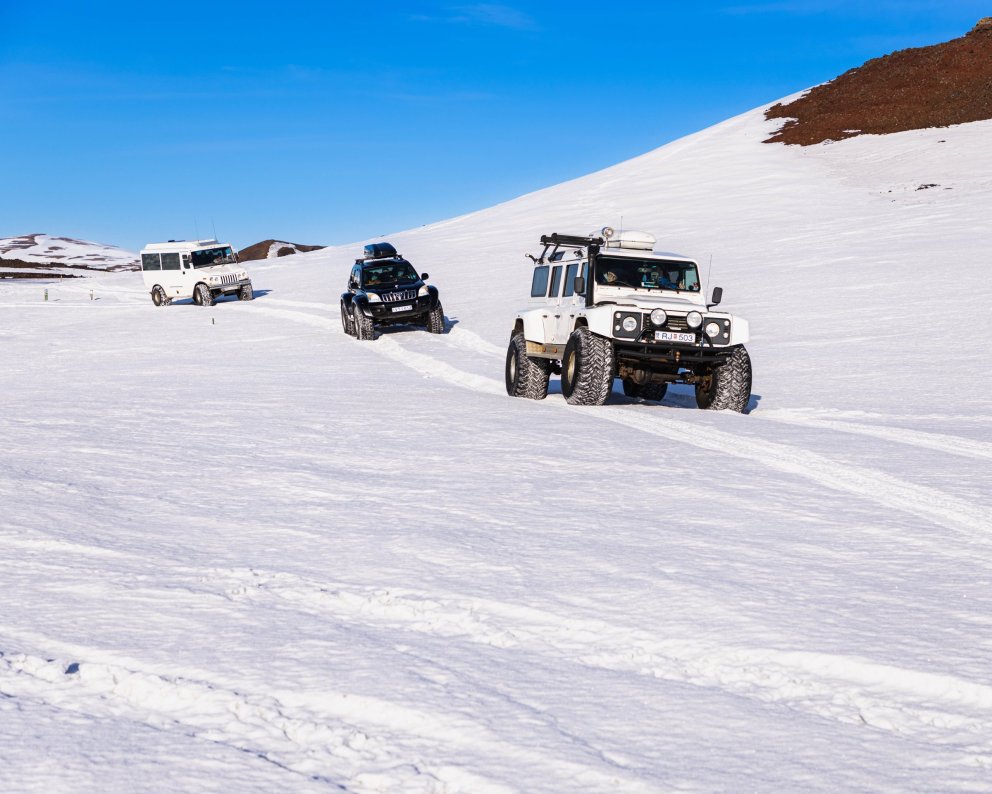
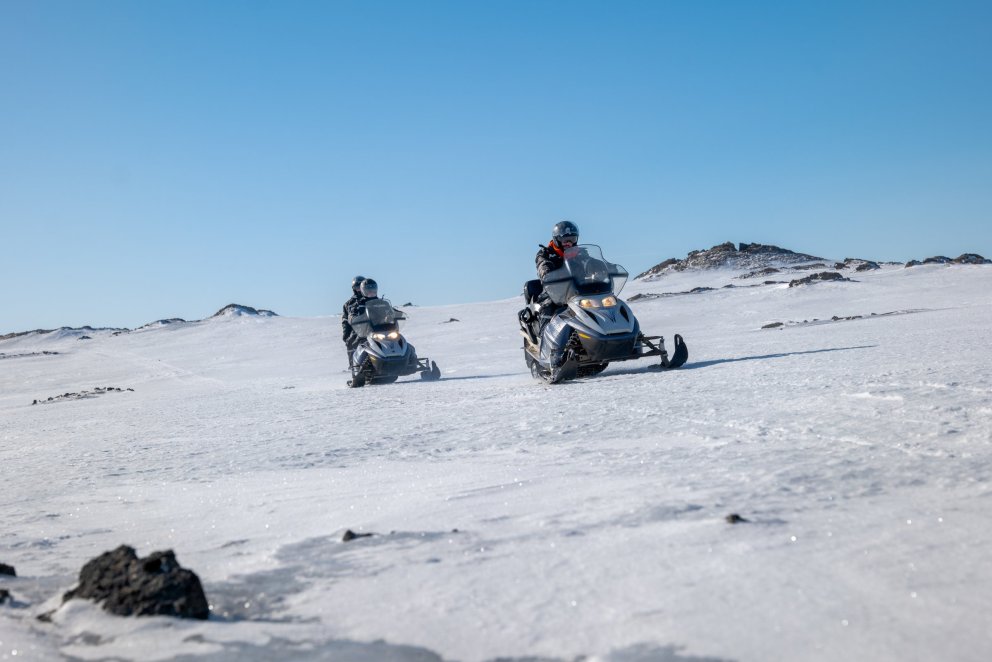
Adventure seekers can go on Super Jeep or snowmobile tours, traveling through landscapes that change dramatically during winter. The Super Jeep tours offer trips to areas that, during winter, are hard to reach in regular cars. Snowmobile tours provide a similar experience but to different locations where their nimble agility is a valuable feature.

Dogsledding tours are available from late October until late May, offering a unique experience. The amazing huskies will take their masters and their guests on a thrilling ride through terrain that would be hard to traverse by other means.

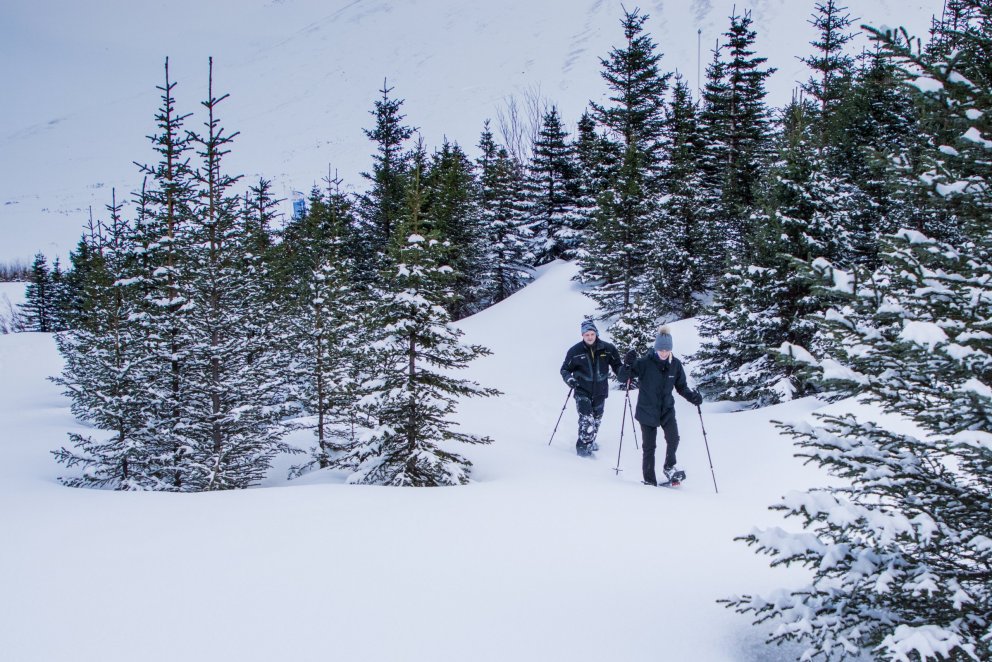
Hiking in the snow while wearing snowshoes is offered in multiple locations. For those interested in fishing, they can go out on a frozen lake with experienced guides to fish through the ice.

Horseback riding
It is not surprising that these horses were called man's most necessary servant, considering the total lack of roads in former times. Leading through the untouched, charming nature of North Iceland, riding trails follow the coast, wind into the scenic mountains, or revive the use of age-old trails with varied history.
Want to see the Northern Lights?
Whale Watching
Whale watching is one of the most popular activities among visitors in North Iceland. The number of species and favorable weather and sea conditions make North Iceland one of the best areas to spot whales. Skjálfandi is a sheltered bay, and Eyjafjörður is the longest fjord in Iceland, offering perfect locations for a boat ride all year long, surrounded by birds and beautiful scenery.

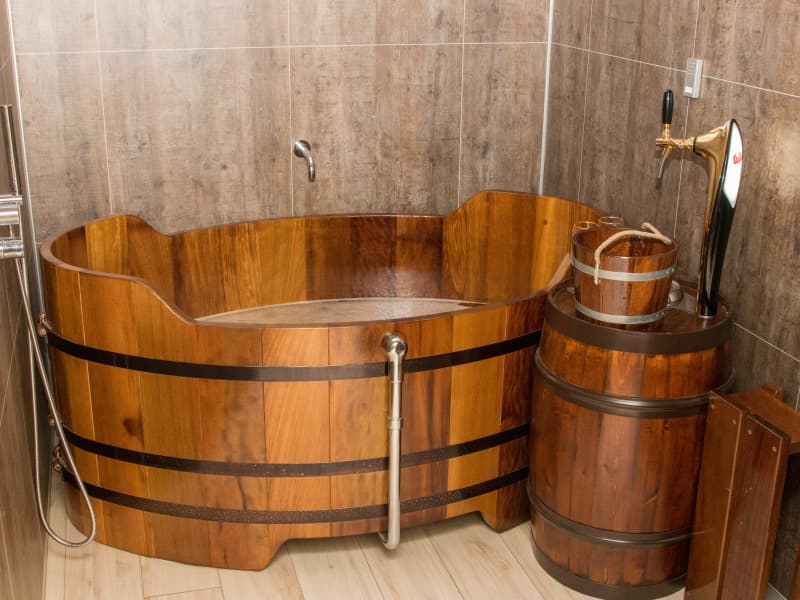
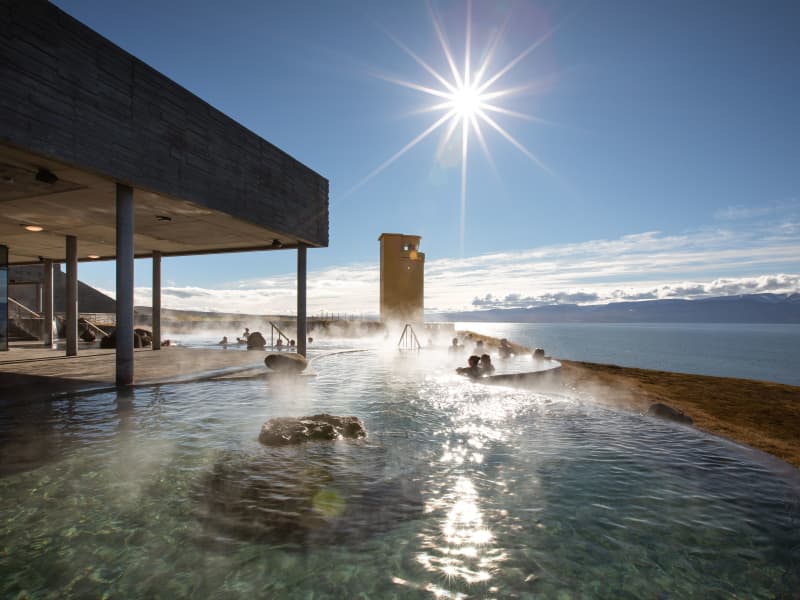
Relax in geothermal lagoons and spas

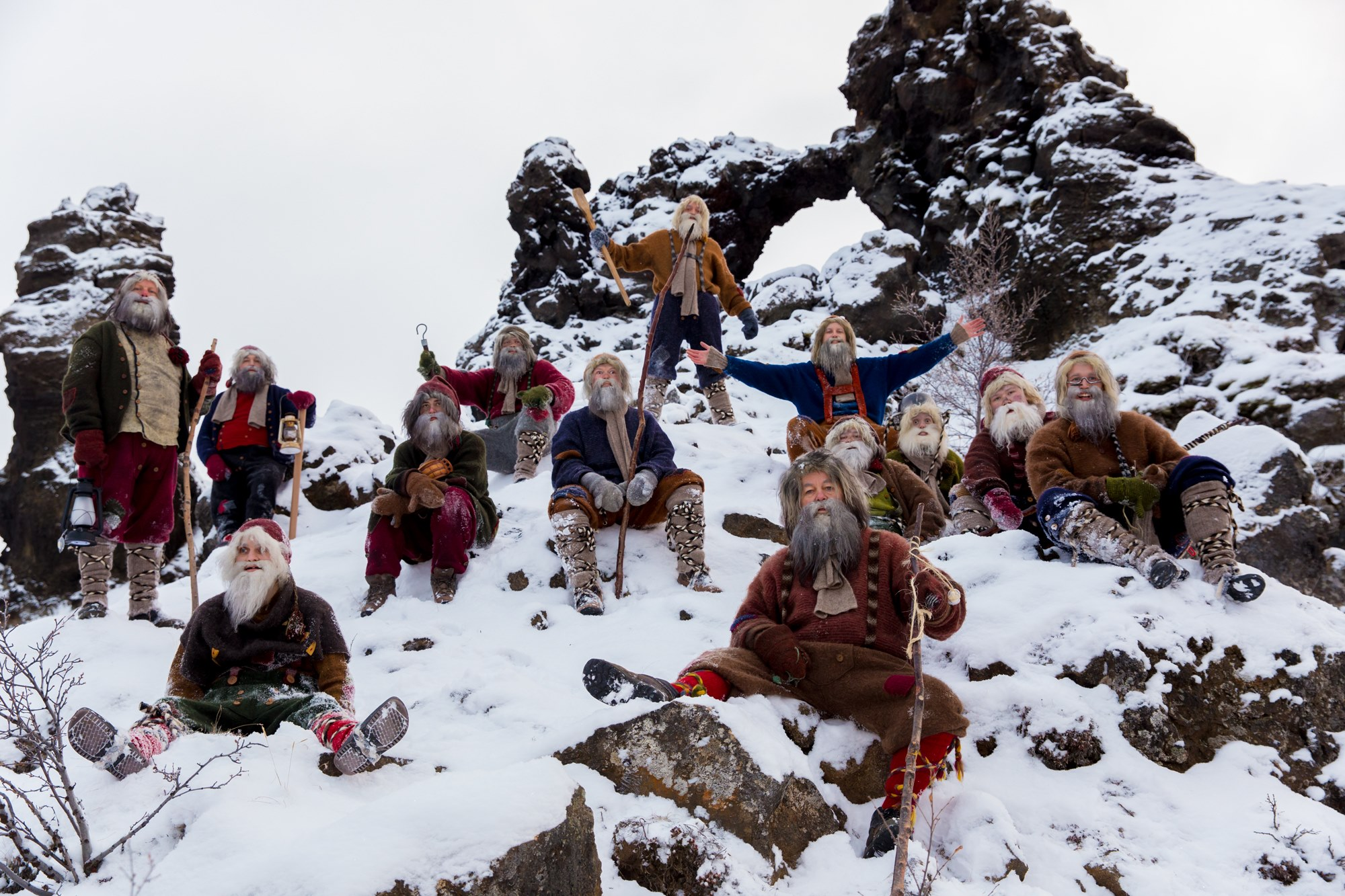
Meet the Icelandic Yule Lads

The Yule Lads have made Dimmuborgir their home. Dimmuborgir is an enchanting area to explore on a nice summer day. Visiting Dimmuborgir at Christmas time, however, is truly magical. The landscape takes on a different look in its winter garb and that is the time when the Icelandic Yule Lads who reside in Dimmuborgir become active. Visiting them in their natural habitat is an unforgettable experience for children of all ages. 

Learn more

Explore the towns of North Iceland

Akureyri

Akureyri

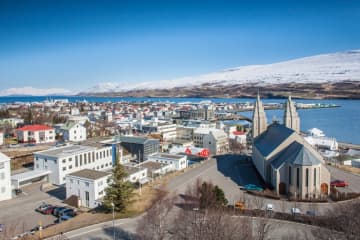
Akureyri is the little big city of Iceland. It is large enough to offer a rich selection of entertainment, art and culture, yet small enough to be ver
Árskógssandur

Árskógssandur

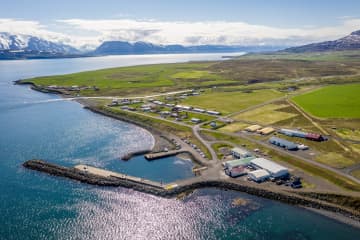
Árskógssandur is a small community situated on the shores of Eyjafjörður fiord, about 10 minutes by car from Dalvík and a short distance from the vill
Bakkafjörður

Bakkafjörður

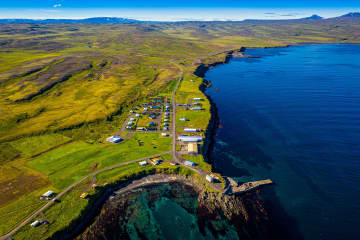
Life in Bakkafjörður revolves mostly around the fish in the sea and the right to survive by catching it. The old harbor has a long history, and there
Blönduós

Blönduós

Blönduós is the most populated town by Húnaflói and is located by Road nr. 1. Through the town, runs one of the country's glacial rivers, Blanda and i
Borðeyri

Borðeyri

Borðeyri is one of Iceland's smallest villages and is found on the western side of Hrútafjörður fjord. The village is mentioned in historical texts an
Dalvík

Dalvík

Dalvik is a seaside town, located on the natural paradise of Tröllaskagi Peninsula. Recreation available for tourists in the area includes a well equi
Grenivík

Grenivík

The township of Grenivík lies under the 1,173 metre high mountain Kaldbakur. There are many excellent routes up the mountain, but if you do not feel l
Grímsey Island

Grímsey Island

It's a unique feeling to walk around the green island of Grímsey. Look to the horizon on the Atlantic ocean in the north, or turn your head to the sou
Hauganes

Hauganes

Hauganes is a part of the Árskógsströnd coastal area. It is also the most southerly community in the municipality of Dalvikurbyggd, with a population
Hjalteyri

Hjalteyri

Hjalteyri is a small village on the western shores of Eyjafjörður. Until the early 20th century, this was one of the main hubs of the herring fishing
Hofsós

Hofsós

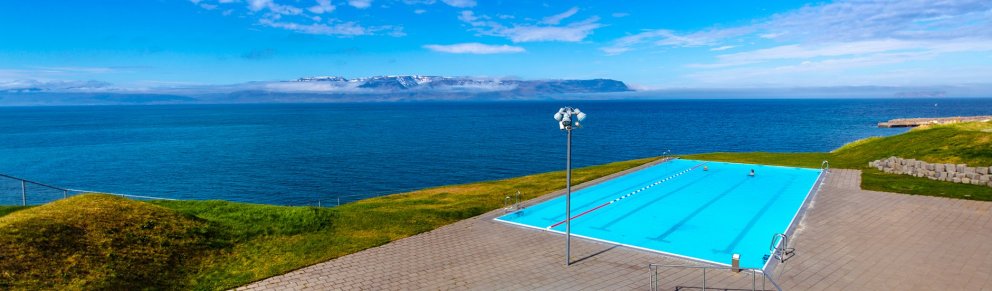
Hofsós is a peaceful seaside village on the Eastern shore of Skagafjörður Fjord, with over 400 years of history. The Hofsós Swimming Pool is fast beco
Hólar

Hólar

This is one of Iceland's most famous historical sites and was, for centuries, an Episcopal see. There has been a church at Hólar from the 11th century
Hrafnagil

Hrafnagil

Eyjafjarðarsveit has been referred to by tourists as the countryside of Akureyri, the place you can view the wonders of Icelandic agriculture. The riv
Hrísey

Hrísey

The island of Hrísey is rightly known as Eyjafjörður's pearl of nature and is renowned for its abundant birdlife. It lies out in the middle of the fjo
Húsavík

Húsavík

Húsavík is the oldest settlement in Iceland, besides being the largest town in Þingeyjarsýsla district and the service centre for the surrounding area
Hvammstangi

Hvammstangi

Hvammstangi is the largest community in West Húnaþing whose history as a trading centre dates back over more than 100 years. If you would like to see
Kópasker

Kópasker

Kópasker is a friendly village on the eastern shore of Öxarfjörður bay. A legal trading post was established here in 1880, and a village started slowl
Laugar

Laugar

Laugar in Reykjadalur is a community which has sprung up around the geothermal activity which is a characteristic of the area. The village is home to
Laugarbakki

Laugarbakki

The village Laugarbakki stands by road one just east of Miðfjarðará River. The hot water from Laugarbakki's geothermal area is used to heat up houses
Mývatn

Mývatn

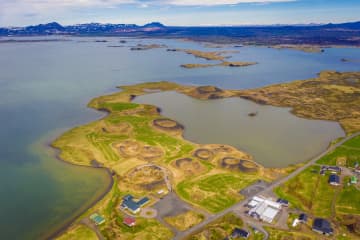
Mývatn offers a unique natural environment. With large contrasts and short distances, you can experience the most and the best that Iceland has to off
Ólafsfjörður

Ólafsfjörður

Ólafsfjörður is a town in the northeast of Iceland located at the mouth of the fjord Eyjafjörður.The town is connected to Dalvík on Eyjafjörður by the
Raufarhöfn

Raufarhöfn

Raufarhöfn is the northernmost town on the Icelandic mainland, nestled on the eastern shore of Melrakkaslétta peninsula. Named after its natural harbo
Sauðárkrókur

Sauðárkrókur

Sauðárkrókur lies on the South West shore of Skagafjörður Fjord. Sauðárkrókur is Skagafjörður's largest population centre and services the local munic
Siglufjörður

Siglufjörður

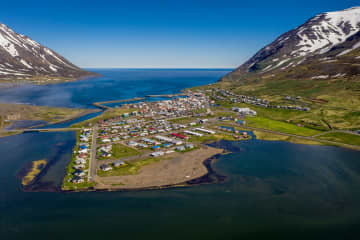
Siglufjörður is Iceland’s northernmost town and is a historic fishing town whose fame, and fortune has always been linked to the ebb and flow of the f
Skagaströnd

Skagaströnd

At Skagaströnd you will find the natural beauty of varied landscapes and vegetation everywhere you look. You will witness the grandeur of Spákonufell
Svalbarðseyri

Svalbarðseyri

Svalbarðseyri is a village in the Svalbarðsströnd district on the eastern coast of Eyjafjörður. Svalbarðsströnd is a thriving agricultural area and in
Varmahlíð

Varmahlíð

This community offers a wide variety of services for visitors and local people alike, making it one of the most popular stopping points for those trav
Þórshöfn

Þórshöfn

The heart of Þórshöfn beats with the waves, and fishing and fish processing have been the town's main form of occupation throughout the years. Therefo

Winter Travel in North Iceland — Frequently Asked Questions

Frequently Asked Questions about winter travel in North Iceland

Is North Iceland worth visiting in winter?

Yes — North Iceland is one of the best winter destinations in Iceland.

You get snow-covered landscapes, the northern lights, year-round whale watching in Eyjafjörður, world-class geothermal baths, skiing in Akureyri, and small fishing villages with locals to tell you the stories about history and culture. It is quieter, more authentic, and fully operational throughout winter with excellent accommodation, restaurants and services.

Can you see the northern lights in North Iceland?

Yes — North Iceland is one of the best places in Iceland to see the northern lights.
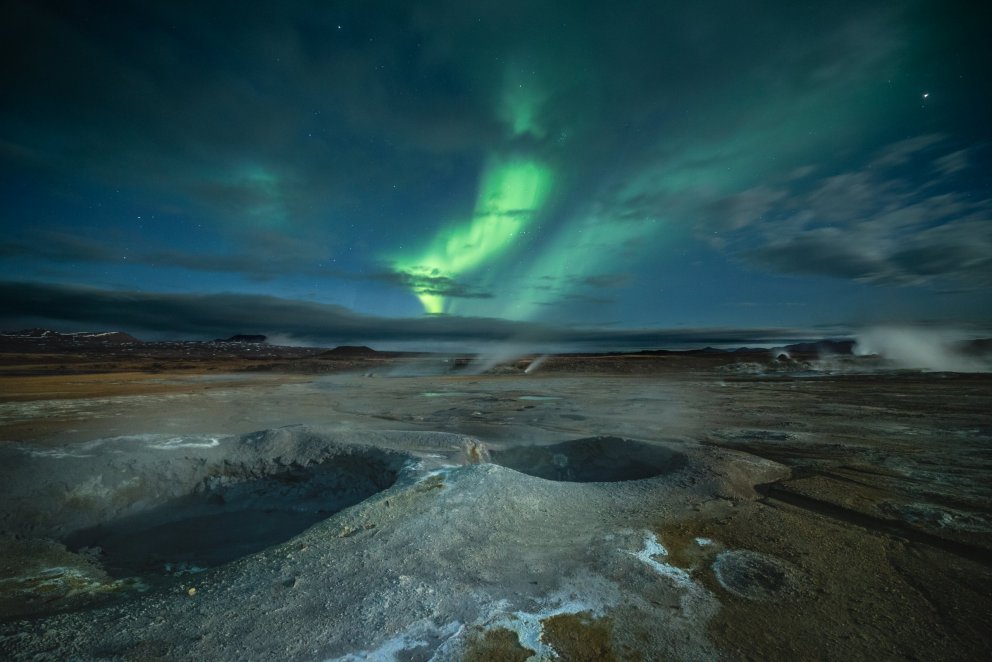
Long winter nights, low light pollution and generally stable weather make the region ideal for aurora hunting. Northern lights are visible from September to April, with the strongest displays on clear, dark nights away from city lights. Guided Northern Lights tours depart from Akureyri throughout the season.
Do you need a 4x4 vehicle in North Iceland in winter?

A 4x4 is strongly recommended for winter travel in North Iceland, but is not always required.

The Ring Road and main roads are well maintained and cleared regularly. A 4x4 gives you better safety and flexibility, especially in rural areas or during snowfall and ice. Always check road.is before setting out, and see northiceland.is — Car Rentals for 4x4 options.
Is driving in North Iceland safe in winter?

Yes — driving in North Iceland is safe when you follow local guidance and check conditions every day.
Roads are monitored and maintained throughout winter. Allow extra travel time, reduce speed on ice, and check road conditions and weather forecasts before every journey. Register your travel plans at safetravel.is. Thousands of visitors safely self-drive North Iceland each winter.

How cold is North Iceland in winter?

Winter temperatures in North Iceland typically range from −10°C to +2°C (14°F to 36°F).

Akureyri is sheltered by the Eyjafjörður valley and is often warmer than other parts of North Iceland. Wind chill can make it feel colder, but with proper layered clothing — see our packing guide — most visitors find winter conditions comfortable and enjoyable.

What are the best winter activities in North Iceland?

North Iceland offers one of the widest ranges of winter activities in Iceland. Top experiences include:

Northern lights toursWhale watching in Eyjafjörður (year-round) — Skiing and snowboarding at HlíðarfjallSnowmobilingDog sleddingGeothermal baths and lagoonsIce fishing — Winter sightseeing tours

Can you watch whales in North Iceland in winter?

Yes — Eyjafjörður is one of the only places in Iceland where you can watch whales year-round, including through the winter months. Húsavík whale watching is also accessible big part of the year, please check schedules. 

Humpback whales are regularly spotted in the fjord throughout winter. Tours depart from Akureyri, Hauganes, Árskógssandur and Dalvík all year. This is one of North Iceland's most unique advantages over the rest of the country. See all operators at northiceland.is — Whale Watching.

Can you fly directly to North Iceland in winter?

Yes — Akureyri Airport receives direct flights from selected European cities during winter, letting you arrive in North Iceland without driving from Reykjavík.

Icelandair also operates daily domestic flights between Reykjavík and Akureyri year-round — the flight takes around 45 minutes. See northiceland.is — Direct Flights for current routes.

How many days do you need in North Iceland in winter?

Most visitors spend 3 to 5 days in North Iceland in winter, with 7 days being ideal — enough to experience the northern lights, whale watching, geothermal baths, and North Iceland's winter atmosphere without feeling rushed.

Travellers combining North Iceland with Reykjavík often dedicate more time to Iceland. Browse ready-made winter itineraries for inspiration.

Is North Iceland crowded in winter?

No — North Iceland is significantly less crowded in winter, and this is one of its key advantages.

Popular attractions are accessible without queues, accommodation is easier to find, and the overall atmosphere is calm and unhurried. Experienced Iceland travellers increasingly choose North Iceland precisely because of this — you get more of Iceland with less of the crowd.

What should I pack for winter in North Iceland?

Layering is the most important principle — conditions change quickly. Essential items include:

Warm insulated jacket — waterproof and windproof outer layer — thermal base layers — hat and gloves — sturdy winter boots with grip — scarf or neck warmer. Also, bring a swimsuit for geothermal baths and sunglasses for bright snow days. See the full northiceland.is packing guide.

Can you visit North Iceland without driving in winter?

Yes — it is possible to visit North Iceland in winter without renting a car.

Guided tours, airport transfers and organised excursions operate throughout the season from Akureyri. Many visitors choose guided day tours for the northern lights, whale watching, and winter adventures — letting experienced local guides handle the roads. See northiceland.is — Day Tours and Jeep & Bus Tours.

When is the best time to visit North Iceland in winter?

December to March offers the most reliable winter experience — consistent snow, excellent northern lights visibility, and a full programme of winter activities.

December is particularly special for Akureyri's famous Christmas atmopsphere and the Yule Lads at Dimmuborgir and dont miss the Christmas house close to Akureyri. For northern lights September until April is the official season. Combining snow activites, December unti April is your best bet. 

Which geothermal pools and baths are open in North Iceland in winter?

Several outstanding geothermal experiences operate year-round in North Iceland and are especially magical in winter.

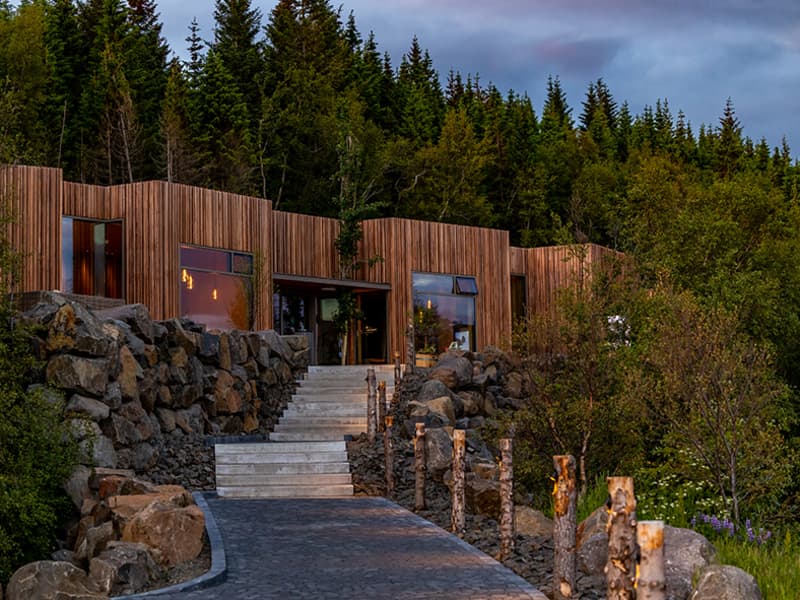
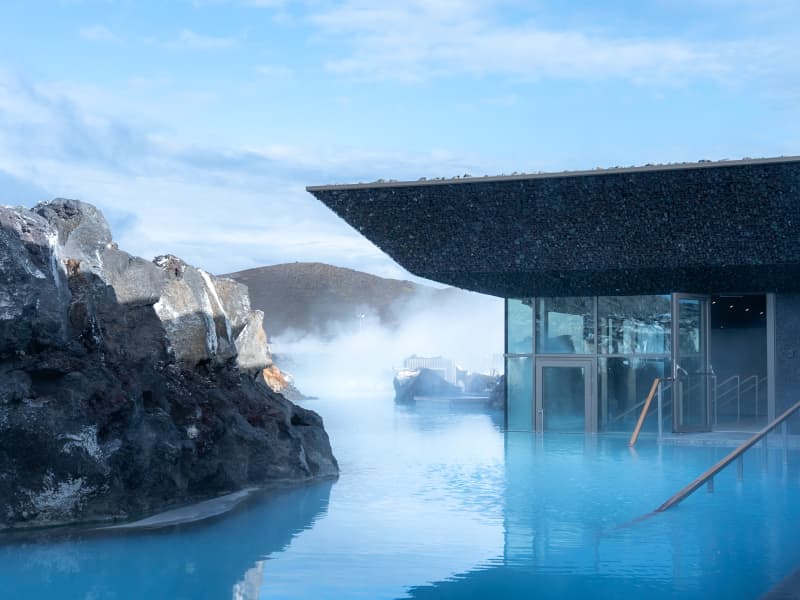
Top options include Forest Lagoon near Akureyri, GeoSea Geothermal Sea Baths in Húsavík, and Earth Lagoon at Mývatn. Public swimming pools throughout the region also operate year-round. Soaking in a hot outdoor pool while snow falls around you is one of North Iceland's finest winter experiences. The swimmingpool culture is on the Representative List of the Intangible Cultural Heritage of Humanity bu UNESCO.

What makes Akureyri special in winter?

Akureyri is one of Iceland's most charming winter destinations — the "little big city" at its best in during winter time. 

The city is famous for its Christmas street lights, which run from November through January and create one of Iceland's most festive atmospheres. The Hlíðarfjall ski area is minutes from the centre, restaurants and cafés are lively all winter, and the arts and cultural scene runs year-round.

Is North Iceland a good alternative to South Iceland in winter?

Yes — for many travellers, North Iceland is the better winter choice.

You get equal or better northern lights viewing, year-round whale watching that the south cannot offer, far fewer crowds, a city base in Akureyri, and a wider range of winter activities. The Diamond Circle and Arctic Coast Way offer dramatic winter scenery and tranquility. 

What makes North Iceland special in winter?

North Iceland in winter offers a combination found nowhere else in Iceland.

Year-round whale watching in Eyjafjörður. The Yule Lads at Dimmuborgir. Skiing minutes from a city centre. Forest Lagoon, GeoSea and Earth Lagoon all open and steaming. Northern lights over dramatic fjord and mountain landscapes. Feel the authentic Iceland through locals and the landscape that shapes the destination. It is winter Iceland at its most authentic — and its most rewarding.

Is it easy to combine North Iceland with Reykjavík in winter?

Yes — combining Reykjavík and North Iceland in winter is straightforward and highly recommended.

The most comfortable option is to fly between them with Icelandair (45 minutes, daily). Alternatively, the Ring Road drive takes around 5 hours and is well maintained in winter. Most visitors spend 2–3 nights in Reykjavík and 3–4 nights in North Iceland for a well-rounded winter trip to Iceland but we always reccomend 7 days in North Iceland if possible. See northiceland.is — Domestic Flights.