Waterfall Dettifoss
Waterfall Dettifoss is the most powerful waterfall in Europe and a part of the tourist route Diamond Circle.
Get to know more
Or try searching by Category and/or Location
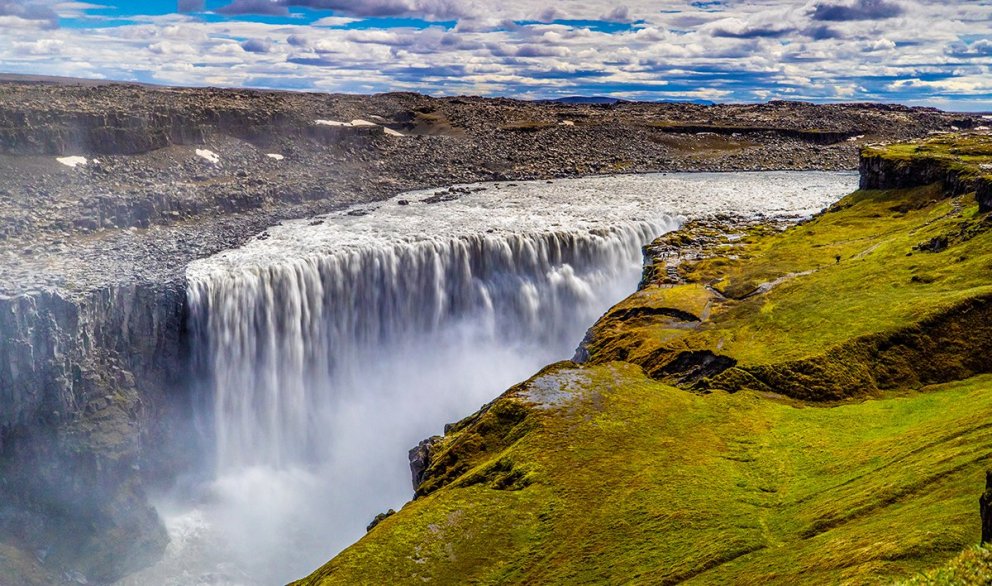
Waterfall Dettifoss is the most powerful waterfall in Europe and a part of the tourist route Diamond Circle.
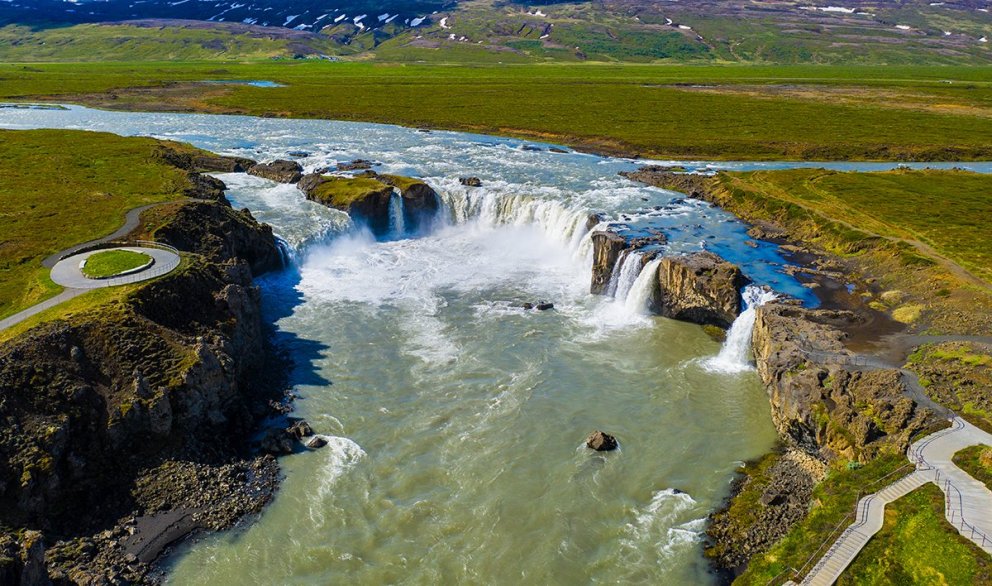
The Goðafoss waterfall is one of the most spectacular waterfalls in Iceland.
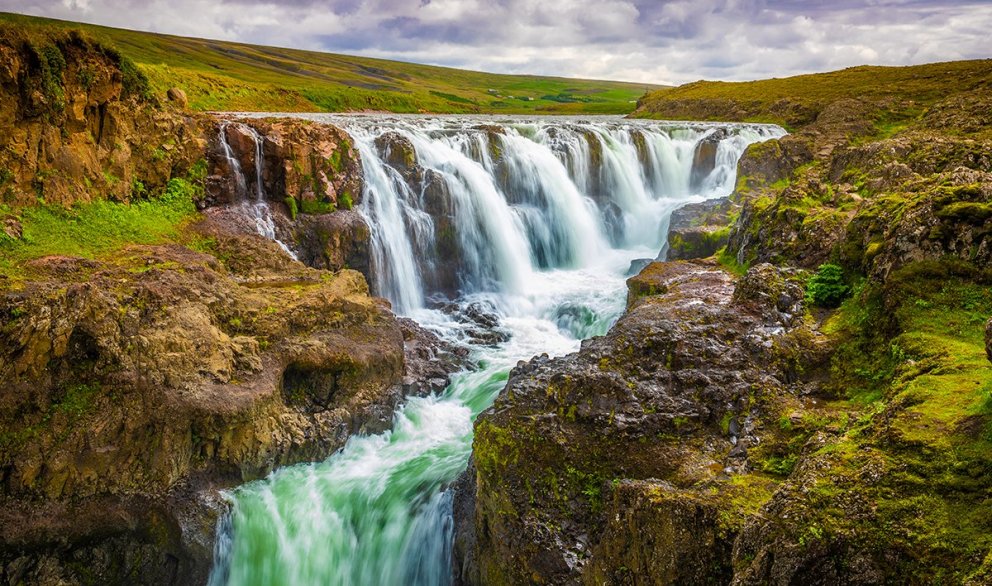
It is a breathtaking sight to walk on to the viewing platform and watch the calm waters of the river tumble onwards over so many impressive falls.
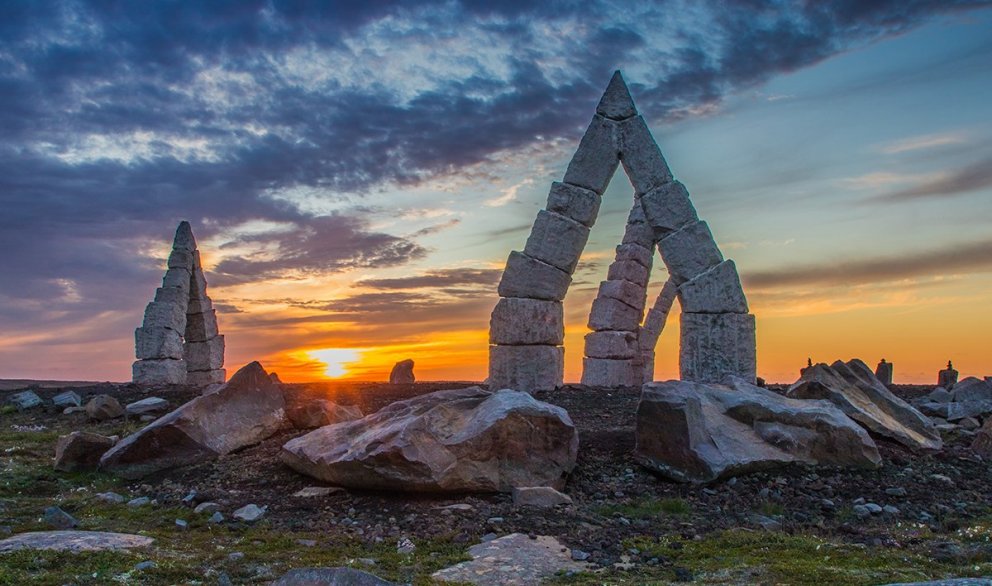
The Arctic Henge is like a huge sundial, aiming to capture the sunrays, cast shadows in precise locations and capture the light between aligned gateways.
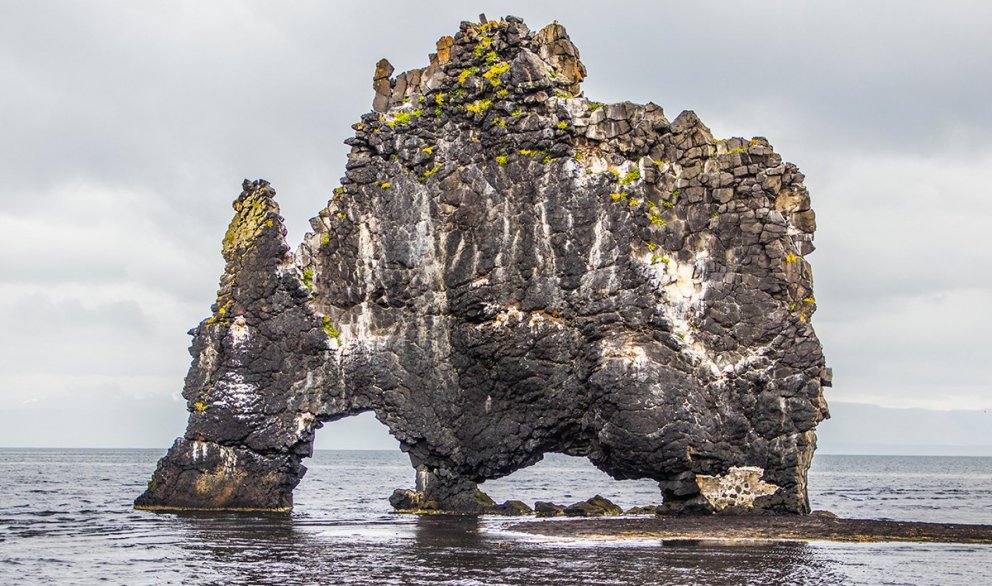
Hvítserkur is a striking 15-metre-high sea stack rising from the sea just off the eastern shore of the Vatnsnes Peninsula. Shaped by centuries of wave erosion, the basalt formation resembles a giant creature drinking from the ocean and is one of North Iceland’s most iconic natural landmarks.
According to local folklore, Hvítserkur is a petrified troll that was caught by the first rays of the rising sun. The area is also renowned for its rich wildlife, with excellent opportunities to spot seals along the shoreline and seabirds nesting on and around the rock during summer.
A path from the parking area leads towards the shore, where visitors can enjoy views of Hvítserkur and the surrounding coastline.
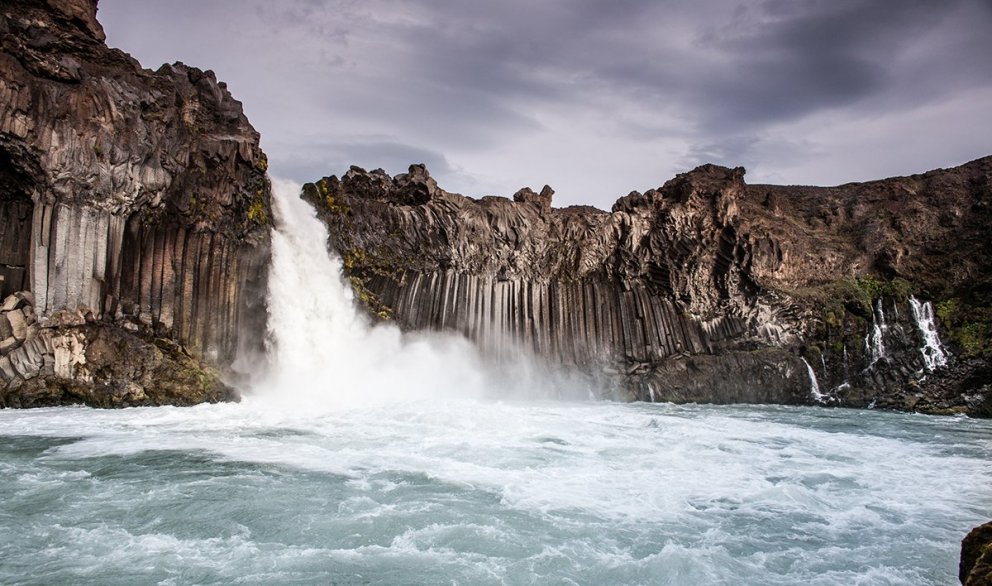
The waterfall is framed with long, natural basaltic columns and is located on the Sprengisandur highland route.
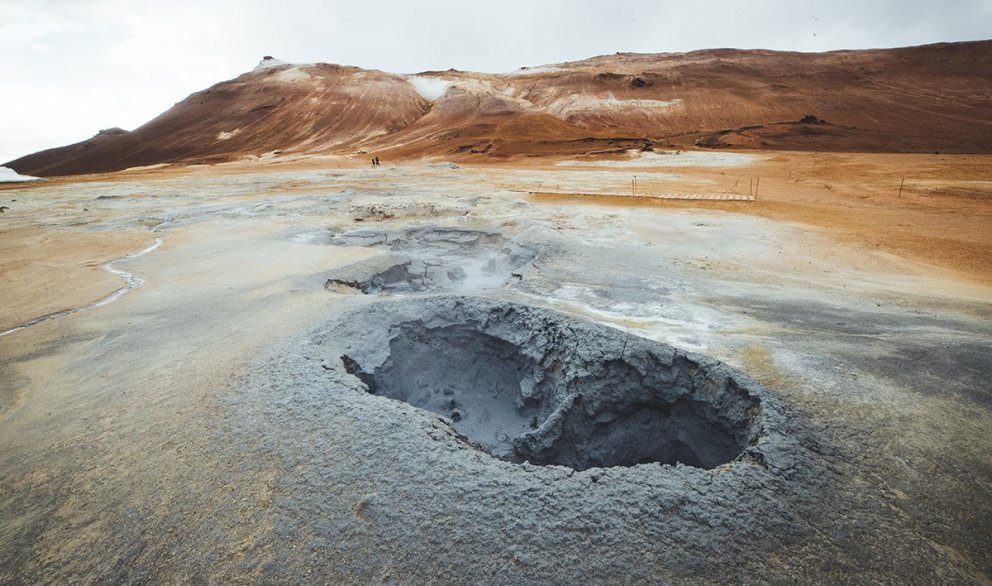
At the foothills of this spectacular volcanic mountain is an expanse of hot springs called Hverir that are known for their variety. You will also discover fumaroles, mud pools and mud pots that all seem to be boil with relentless energy.